
Author: admin
Explaining the Differences Between Kidney Stones vs. Kidney Cancer

Kidney diseases have become increasingly common, raising concerns among patients about the nature of their illness. Since there are various types of kidney diseases that have similar symptoms and impact, they cause patients to worry about the severity of the condition and the accuracy of the diagnosis. However, knowing the difference between issues such as kidney stones and cancer can ensure a precise diagnosis and treatment route. In this article we will explain the difference between these two illnesses for a confident outlook.
Kidney Stones in Children: A Growing Concern Parents Should Know About

Table Of Contents
- What Is a Reconstructive Urology Procedure?
- Common Types of Urology Reconstructive Surgery
- What Is the Most Common Surgery for a Urologist?
- What Is Reconstructive Bladder Surgery?
- What Is the Success Rate of Bladder Reconstruction Surgery?
- Pelvic Health Benefits of Reconstructive Urology
- Why Choose the Asian Institute of Nephrology and Urology?
- Frequently Asked Questions
When we think of kidney stones, we usually picture adults doubled over in pain. But did you know that kidney stones in children are becoming increasingly common? This condition, once rare in kids, is now being diagnosed more frequently in infants, school-aged children, and teens alike.
The rise in kidney stone cases has caught the attention of parents and healthcare professionals around the world. Diet, hydration, lifestyle, and genetic factors all play a role; and awareness is the first step in protecting your child’s health.
In this article, we’ll explore the causes, symptoms, diagnosis, and treatment options for kidney stones in children. You’ll also find answers to common questions, when to see a pediatric urologist, plus practical prevention tips you can start using today.
Can children get kidney stones?
Yes, children can absolutely develop kidney stones. Though once considered an adult-only issue, pediatric urologists now report an increasing number of cases each year. Children of all ages, from toddlers to teens, can experience stones in the kidneys or urinary tract.
Early diagnosis is important, as untreated stones can lead to infections, blockages, or long-term kidney damage.
What causes kidney stones in children?
There isn’t one single cause, rather, several factors can contribute:
- Dehydration: One of the most common causes. Many kids don’t drink enough water, especially during play or sports. Less fluid in the body means minerals and salts can crystallize in the kidneys, forming stones.
- Dietary habits: High salt intake, sugary drinks, processed foods, and too much animal protein all increase stone risk. Unfortunately, these are common elements in many children’s diets today.
- Family history: If a parent or sibling has had kidney stones, the chances rise significantly.
- Medical conditions: Certain metabolic issues (like hypercalciuria), urinary tract abnormalities, and chronic infections can predispose children to stone formation.
- Obesity: Excess weight is linked to a higher risk of kidney stones in children, as well as other urological problems.
What are the symptoms of kidney stones in children?
Recognizing the signs early can make all the difference. Watch for:
- Sharp or cramping pain in the side, abdomen, or lower back
- Blood in urine (pink, red, or brown color)
- Nausea or vomiting
- Frequent urge to urinate or pain while urinating
- Restlessness, irritability, or discomfort (especially in younger children)
- Fever or chills if infection is present
Not all stones cause pain right away. Sometimes the first sign may be blood in the urine during a routine checkup. If your child shows any of these symptoms, consult a pediatric urologist promptly.
How are kidney stones diagnosed in kids?
Pediatric diagnosis requires a gentle, child-friendly approach. The typical process includes:
- Medical history & physical exam: This helps identify dietary risks, genetic links, or underlying conditions.
- Urine tests: To check for crystals, blood, infections, and chemical imbalances.
- Blood tests:These assess calcium, phosphorus, uric acid, and other markers linked to stone risk.
- Imaging:Ultrasound is often the first choice because it avoids radiation. If more detail is needed, a low-dose CT scan may be used.
A skilled pediatric urologist can interpret the results and recommend the best course of action based on your child’s unique needs.
Are kidney stones in children dangerous?
They can be. While some stones pass naturally, untreated stones can lead to complications:
- Pain and discomfort
- Urinary tract infections
- Blockage of urine flow, which can damage the kidneys
- Recurrent stones if prevention isn’t addressed
- Chronic kidney disease (rare, but possible with repeated untreated stones)
The good news? With prompt care and good follow-up, most kids recover fully. Seeing an experienced pediatric urologist ensures that your child’s kidneys stay healthy and strong.
How are kidney stones in children treated?
Treatment depends on the size, type, and location of the stone, and on your child’s age and overall health. Options include:
- Increased fluids: Encouraging your child to drink plenty of water helps flush out small stones naturally.
- Pain management: ver-the-counter pain relievers may be recommended during stone passage.
- Medical therapy: In some cases, medications can help dissolve certain types of stones or prevent new ones from forming.
- Minimally invasive procedures:
Extracorporeal Shock Wave Lithotripsy (ESWL) uses sound waves to break stones into smaller pieces that can be passed more easily.
Ureteroscopy involves using a small scope to locate and remove or break up the stones.
Percutaneous nephrolithotomy may be used for larger or complex stones, through a tiny incision in the back.
The goal is always to relieve symptoms quickly while preserving kidney function, with as little discomfort and downtime as possible.
How to prevent kidney stones in children?
Once a child has had one stone, they are more likely to develop another. Prevention is key! Here’s what parents can do:
- Promote good hydration: Water is the best drink, sugary sodas and juices can make things worse. Teach kids to drink regularly throughout the day.
- Encourage a balanced diet: Low-sodium, high-fiber meals with fruits and vegetables help prevent stone formation.
- Limit salty, processed, and high-oxalate foods (like chips, fast food, spinach, and chocolate) when needed.
- Promote a healthy weight and active lifestyle:Obesity is a risk factor.
- Stay on top of medical follow-ups: Regular check-ins with a pediatric urologist help monitor kidney health and catch any new issues early.
Why choose the Asian Institute of Nephrology and Urology?
When your child’s health is at stake, you want the best care possible. The Asian Institute of Nephrology and Urology (AINU) offers expert treatment for kidney stones in children, led by a team of experienced pediatric urologists. Our child-friendly approach, advanced technology, and compassionate staff ensure your little one is in good hands, from diagnosis to recovery.
If your child shows signs of kidney stones or has been diagnosed already, don’t wait. Book an appointment with our specialists today, early action can protect your child’s kidney health.
Frequently Asked Questions
1. Can children get kidney stones?
Yes, kidney stones in children are increasingly common today, especially due to dehydration and poor dietary habits.
2. What causes kidney stones in children?
They can be caused by lack of water, poor diet, genetics, certain medical conditions, and obesity.
3. What are the symptoms of kidney stones in children?
Common signs include abdominal pain, blood in urine, nausea, and pain when urinating.
4. How are kidney stones diagnosed in kids?
Doctors use urine and blood tests, along with imaging (typically ultrasound), to identify kidney stones.
5. Are kidney stones in children dangerous?
If untreated, they can lead to infections or kidney damage. With proper care, most cases are resolved safely.
Impact of Robotic Surgery on Prostate Cancer Treatment
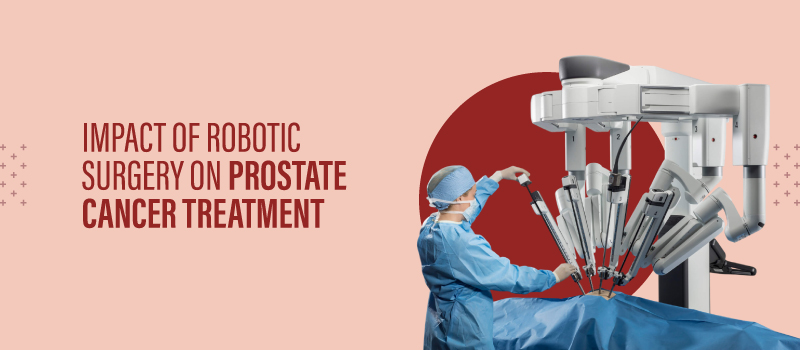
Prostate cancer isn’t something anyone expects to deal with, yet it affects millions of men worldwide. It’s common, especially in older men, and once it shows up, it changes the way people think about their health. If you’ve just heard the word from your doctor or you’re looking into options for someone you care about, you’re probably sifting through a ton of treatment terms. Surgery, radiation, therapy, and something that keeps robotic surgery. Robotic surgery is changing how prostate cancer is treated. People who once had to go through painful, long recoveries are now walking out of hospitals faster and feeling better. For those looking for the best prostate cancer treatment, this is a development worth paying attention to.
What Is Robotic Surgery in Prostate Cancer?
Robotic surgery in prostate cancer doesn’t mean a machine operates on its own. Every movement is guided by the surgeon, who controls the robotic arms from a high-tech console. These arms are designed to be smaller and more precise, allowing delicate procedures to be performed through tiny incisions instead of large cuts. For someone with prostate cancer, that makes a huge difference. It improves the chances of removing the cancer effectively while helping preserve vital functions such as bladder control and sexual health. And cities like Hyderabad have some of the best centers for this. If you are looking for a robotic surgery doctor in Hyderabad, there are specialists performing these procedures every day.
Why More Patients Are Choosing Robotic Surgery
Why are so many men leaning toward robotic surgery in prostate cancer care these days? Let’s look at what’s working.
Greater Accuracy in Surgical Procedures
This one’s straightforward. The robotic arms don’t shake. The camera gives a close-up, 3D view that’s much better than the naked eye. So, when the surgeon makes a move, it’s clean, precise, and focused only where it needs to be. That matters a lot. Because in prostate surgery, damaging the wrong nerve can lead to problems you don’t want. Accuracy means better outcomes.
Smaller Incisions and Less Scarring
Open surgeries used to involve big cuts. Long scars, longer healing, more pain. But with robotic surgery, it’s more like a few tiny entries instead of one big opening. That means fewer stitches, less scarring, and usually less bleeding. If you’re the kind of person who wants to heal fast and not carry a reminder forever, this might be the better option for you.
Faster Recovery and Reduced Pain
One thing patients often say is, “I didn’t expect to be back on my feet so quickly.” That’s the beauty of robotic surgery; smaller wounds mean less trauma, and less trauma means your body bounces back faster. Within a couple of weeks, many people are already moving around comfortably. Some even get back to light work or walking routines faster than they expected. Your life doesn’t stop just because of surgery.
Lower Risk of Complications
Let’s be honest, no surgery is 100% without risk. But with robotic surgery, the risks tend to be lower. With a skilled hand at the console and robotic tools doing the job with finesse, you’re looking at fewer infections, reduced bleeding, and fewer issues during recovery. For those searching for the best prostate cancer treatment, that kind of peace of mind is priceless.
Choosing the Right Surgeon Matters
Here’s something important: no matter how good the technology is, it’s only as good as the person using it. You need someone who knows what they’re doing, someone who’s performed a lot of these and knows the machine like the back of their hand. That’s why people go looking for the best robotic surgeon for prostate cancer. Experience, success rates, and patient reviews all matter. In Hyderabad, there are many top-rated doctors who perform robotic surgery regularly. Finding a well-reviewed robotic surgery doctor in Hyderabad could be the difference between a smooth recovery and a stressful one.
What to Expect After Robotic Surgery
Post-surgery, you won’t be in the hospital for too long. A day or two, typically. There’s a catheter involved, yes, which is not the most comfortable thing, but it’s temporary. Within a week or so, most men are back home and slowly building up energy. Follow-ups are key. Your doctor will check PSA levels to make sure everything’s going well. With time, the concentration shifts to healing fully and getting back to normal life, whatever that looks like for you.
Why Patients Choose AINU for Prostate and Kidney Care
The Asian Institute of Nephrology and Urology (AINU) is one of the top super-specialty hospitals in India for kidney and urology. Since 2013, we have earned the trust of thousands by providing quality care with compassion. Our NABH accreditation in just 2 years is a testament to our commitment to clinical excellence. We are famous for our robotic surgery expertise and offer solutions for prostate cancer and related conditions. With some of the best robotic surgeons for prostate in India and fully equipped operation rooms, We provide precise and minimally invasive treatments with excellent outcomes. Our urology and nephrology departments work together to provide complete care from complex endoscopic procedures to advanced dialysis support. We have centers in Hyderabad, Secunderabad, Vizag, Siliguri, and Chennai, so world-class care is just a step away. At AINU, your health is in safe hands.
AINU has dedicated Uro-Oncology team who focus on Oncological principles and provide holistic care
Final Thoughts
At the end of the day, robotic surgery is more than just a high-tech tool. It’s helping men get treated with fewer side effects, more precision, and a better shot at a full recovery. If you’re at that crossroads, wondering what to do next, it’s okay to research and learn more about it. Ask your doctor questions. Meet our best robotic surgeons in Hyderabad. Talk to someone who’s been through it. Most of all, remember this: the goal isn’t just survival; it’s quality of life. And with the right help, the best robotic surgeon for prostate cancer, and the best care team, you’re not walking this road alone.
Regular, Periodic tumor board discussions are conducted for comprehensive care and consensus management discussion on complex Urological problems.
Understanding Kidney Stones: Prevention and Treatment Options

Learn about the latest advances in kidney stone treatment including laser therapy and robotic surgery techniques that ensure