
Dr. Navinath M
Consultant Nephrologist & Transplant Physician
Dialysis – Our top specialists offer advanced treatments for men and women of all ages.
Expert Pediatric Urology with years of experience
Expert Pediatric Urology with years of experienceExpert urologists with years of experience
ExpertPediatric Urology with years of experience
Dialysis is a critical medical treatment that substitutes kidney function when your kidneys are no longer able to filter waste and fluids effectively. It helps remove toxins, excess water, and harmful substances from the blood, keeping your body’s chemistry in balance. At AINU Chennai, our goal is to make this life-sustaining treatment as safe, effective, and comfortable as possible.
As the best dialysis hospital in Chennai, AINU offers a modern, patient-focused dialysis unit equipped with top-tier infrastructure. With high-performance dialysis machines, a Double RO water purification system for ultra-clean dialysate, and a strict one-patient-one-dialyzer policy, safety and hygiene are never compromised.
Each session is closely monitored by expert nephrologists, while our trained dialysis nurses and technicians ensure your experience is smooth and stress-free. From routine dialysis to complex ICU-based CRRT procedures, we provide end-to-end kidney care under one roof.
As one of the best Dialysis hospitals in Chennai, AINU Hospitals is known for:
We Specialize In
The most commonly used dialysis technique where blood is filtered outside the body using a dialysis machine.
A powerful therapy combining dialysis and filtration for deeper toxin removal and better clinical outcomes.
Used in ICU settings for critically ill patients, CRRT is a 24-hour slow and gentle blood purification method.
A convenient, home-based alternative using the peritoneal membrane as a natural filter to clean the blood.
We understand that every patient is different. Our nephrologists design individualized dialysis plans for better comfort and efficiency.
Every procedure is overseen by an expert nephrologist for optimal safety and outcome monitoring.
Meet Our Expert Doctors
Consultant Nephrologist & Transplant Physician
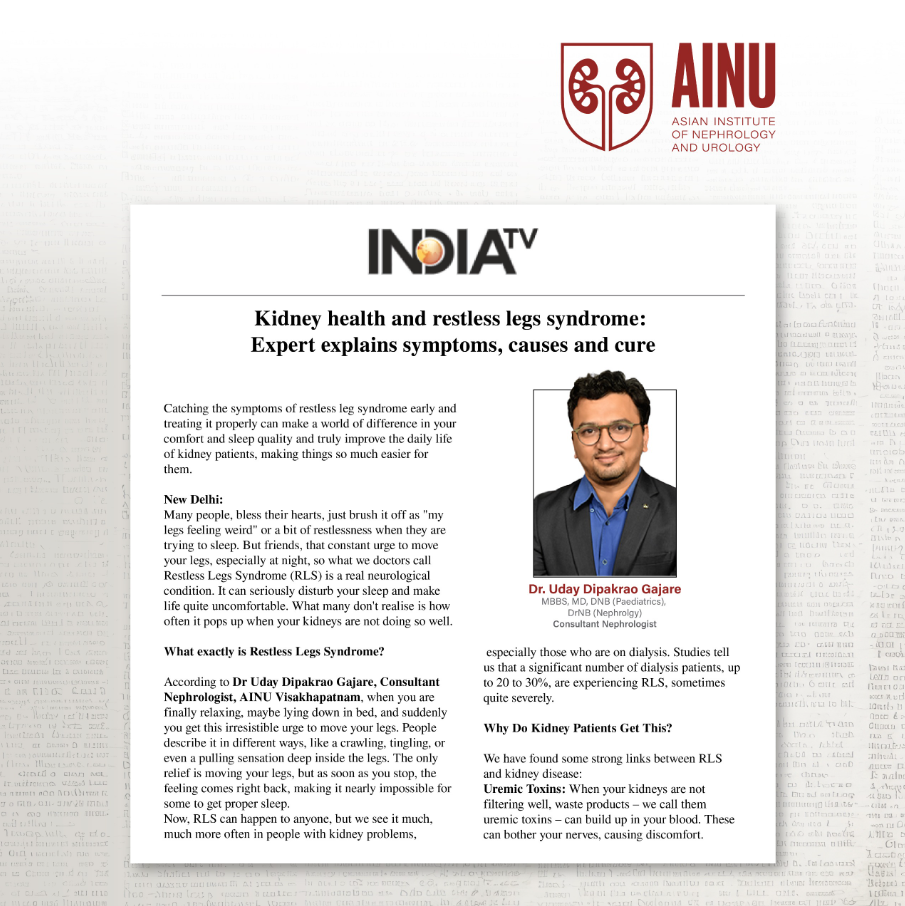
Expert Explains Symptoms,causes And CureExpert Explains Symptoms,causes And Cure
Read More
Our team's latest discovery in cancer research
Read More
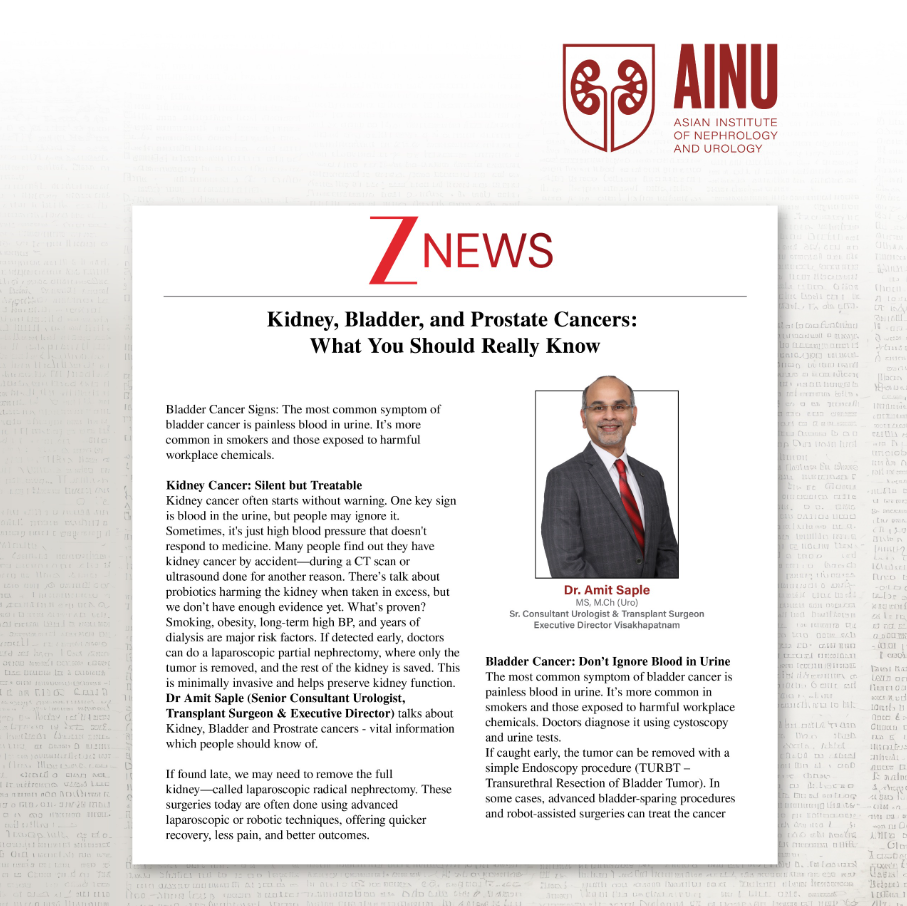
Kidney cancer, often dubbed a "Silent Killer" isKidney cancer, often dubbed a "Silent Killer" is
Read More
Expert Explains Symptoms,causes And CureExpert Explains Symptoms,causes And Cure
Read More
Never eat if you are not feeling hungry, this is a solid cardinal mantra in monsoons. Doing so results in indigestion problems and illness. So,...
Read MoreIf you have chronic kidney disease, good nutrition and diet play an important role in your treatment plan. Your diet recommendations will change based on...
Read More
People with kidney disease or kidney failure are at risk for heart disease. In fact, it is very common. These ten tips can help you...
Read MoreHealthTalks
Frequently Asked Questions
Dialysis is a life-saving medical procedure that takes over the function of the kidneys when they can no longer remove waste, toxins, and excess fluids from the blood. It helps maintain a safe level of certain chemicals in the body like potassium, sodium, and bicarbonate, and controls blood pressure in patients with kidney failure.
You can visit the nearest AINU hospital or check our official website to learn about:
For personalized assistance, you can also book a consultation with one of our nephrologists.
There are two main types of dialysis:
At
AINU Hospitals
Dialysis is required when the kidneys lose about 85–90% of their function (end-stage renal disease or ESRD). Patients with conditions such as:
Hemodialysis works by drawing blood out of the body, filtering it through a dialyzer (artificial kidney), and returning the clean blood back into the body. Peritoneal dialysis uses the lining of the abdomen (peritoneum) to filter waste from the blood with the help of a dialysis fluid. Both methods help balance electrolytes, remove waste, and reduce fluid buildup in patients with kidney failure.
Many patients live on dialysis for 5 to 10 years or more, depending on their overall health, age, and adherence to treatment. Some live even longer with proper care. Kidney transplantation is also an option for suitable candidates, which can significantly improve both survival and quality of life.
While dialysis is generally safe, some potential risks and side effects include:
At AINU Hospitals, we follow strict safety protocols to minimize risks and ensure a comfortable dialysis experience.
Recommended foods for dialysis patients:
Your diet should be supervised by a renal dietitian to match your type of dialysis and lab values.